

-
When the court orders a psychiatric evaluation under Iowa Code 812.3, one of the first steps in the process is gathering relevant records. These court-ordered evaluations are commonly referred to as competency evaluations and help the court determine whether an…
-

Getting Started with Court-Ordered Services
When court-ordered mental health services are first being arranged, people often have questions about what information is needed and how the process gets started. Courts, attorneys, treatment providers, families, and correctional facilities may all play a role, and figuring out…
-

In-Custody vs. Out-of-Custody Evaluations
In Iowa, competency evaluations are most often completed as court-ordered psychiatric evaluations under Iowa Code 812.3 when there are pending criminal charges and the court has questions about an individual’s ability to proceed. Through 1st Choice, these evaluations may be…
-

When a Private Evaluation May Be Helpful
Questions about a person’s ability to make important decisions can arise in many different situations. While competency evaluations are often associated with court-ordered services in criminal cases, capacity evaluations may also be requested privately when there are concerns about a…
-

Understanding Iowa Code 812.3 and Competency Evaluations
In Iowa, when the court has questions about whether an individual is able to understand the legal process and participate in their defense, a psychiatric evaluation may be ordered under Iowa Code 812.3. These court-ordered psychiatric evaluations are commonly referred…
-
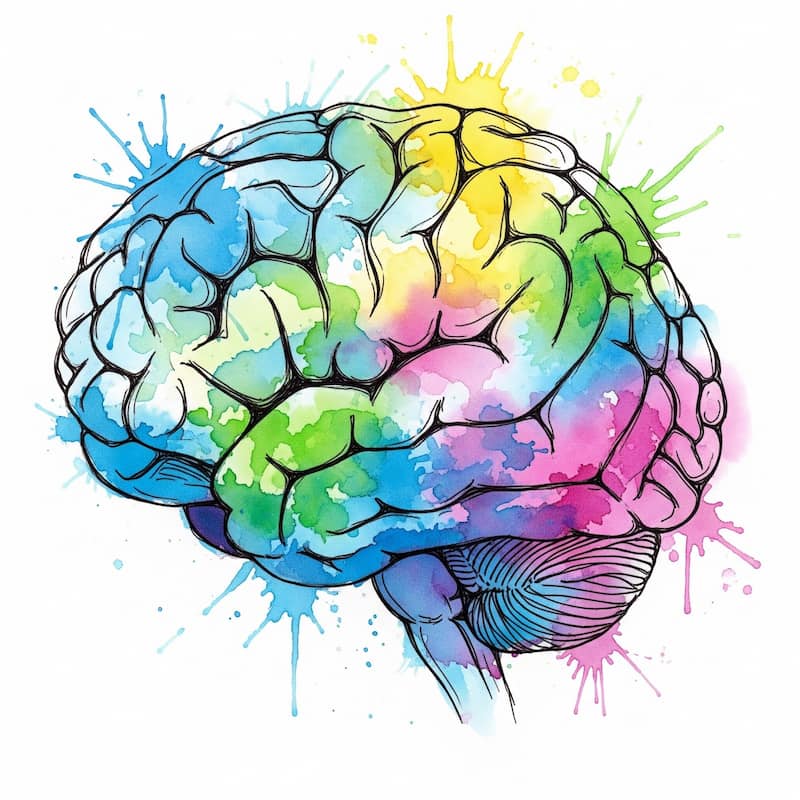
Traumatic Brain Injury: The Silent Epidemic
Traumatic brain injury (TBI) is a “silent epidemic” among those involved in the justice system. Systematic reviews show that 25% to 87% of incarcerated individuals have a history of TBI, often involving loss of consciousness and lasting cognitive changes. The…
-

Navigating the Competency Evaluation Process in Iowa
When someone is involved in a criminal case, the law requires that they be able to understand what is happening and meaningfully participate in their defense. In Iowa, when concerns arise about a defendant’s ability to do so, Iowa Code…
-

Individuals with Intellectual Disability in the Criminal Justice System
Individuals with intellectual disabilities are arrested, charged, and incarcerated at disproportionately high rates. While intellectual disability is not a cause of crime, this population faces systemic barriers that complicate their interaction within the standard legal system. Challenges related to abstract…
-

Dual Diagnosis: The Intersection Between Substance Abuse and Mental Health
The relationship between mental health and substance use is complex. While a connection exists, it is important to recognize that the majority of individuals with mental health conditions do not have a substance addiction. Other variables play a more significant role…
-
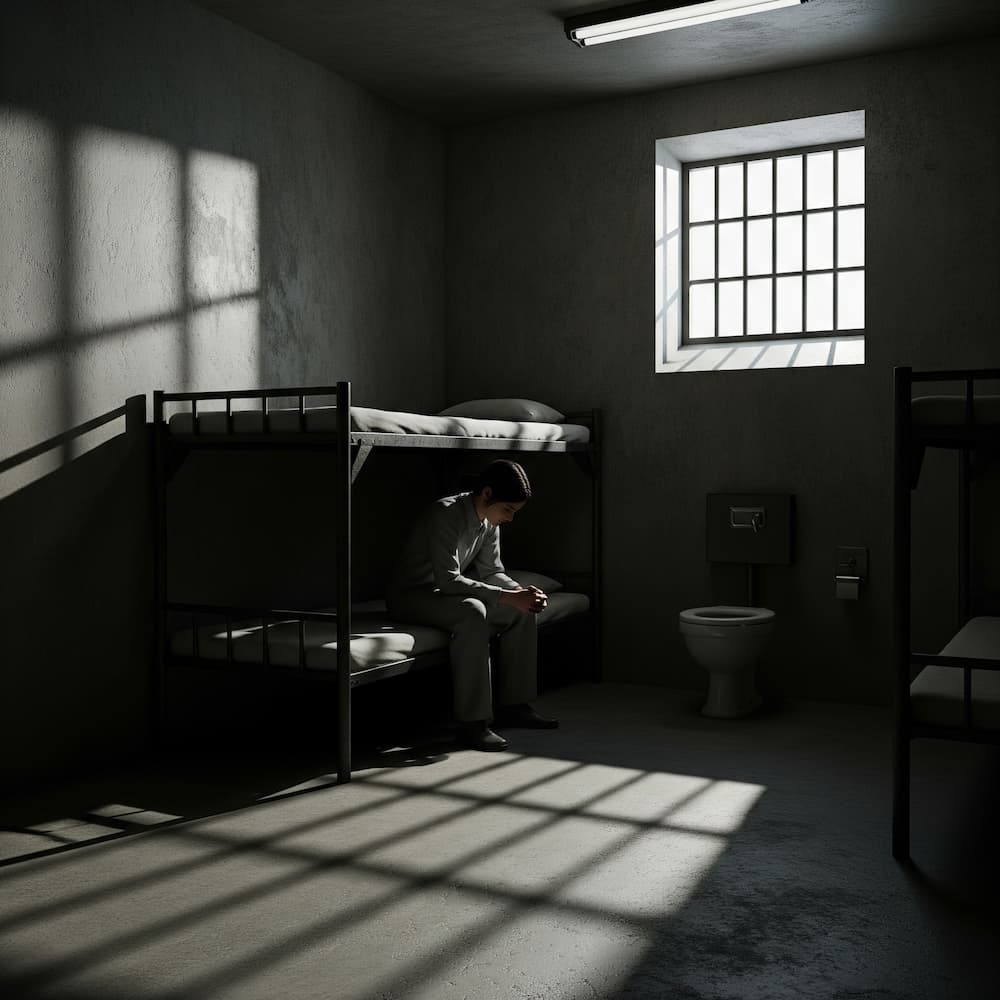
The Intersection of Mental Health and Criminal Behavior
The correlation between mental health and criminal activity is intricate. While a relationship between criminal activity and individuals with untreated mental health conditions has been noted, this association is not causal. It is crucial to recognize that the majority of…