
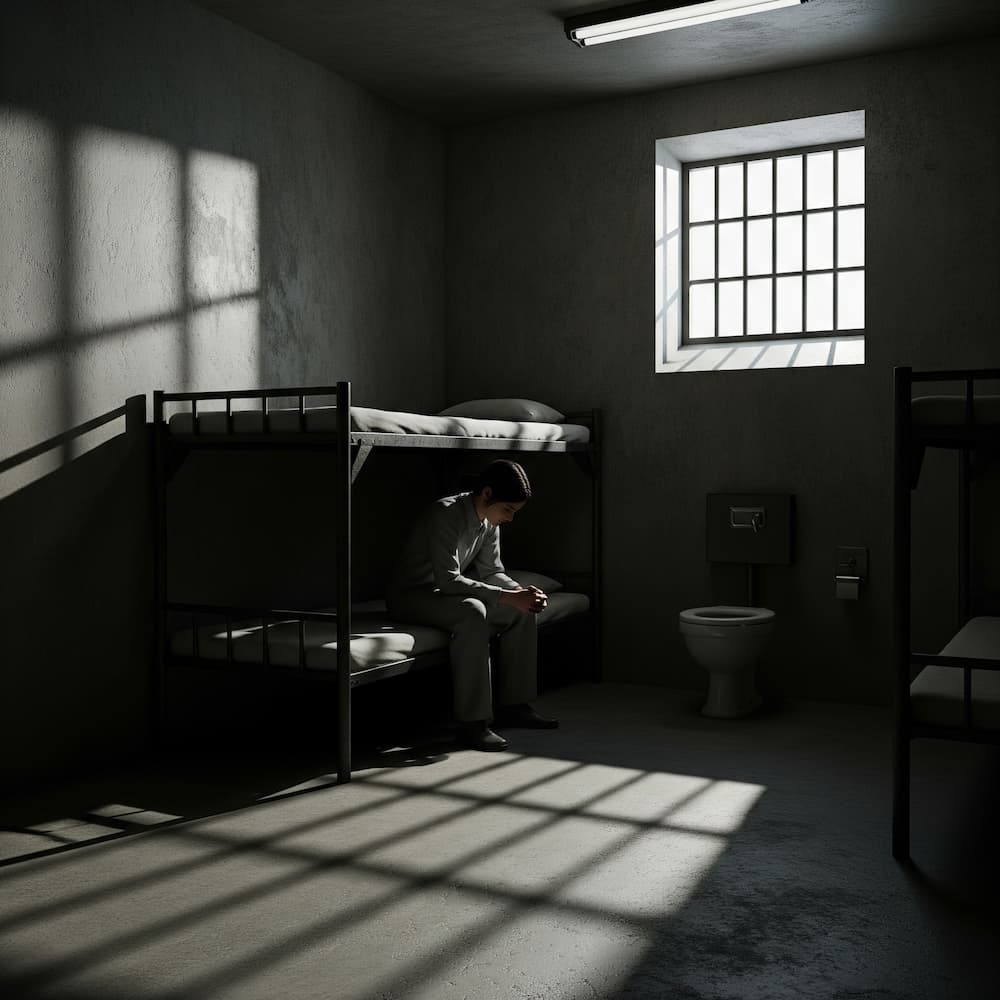
The correlation between mental health and criminal activity is intricate. While a relationship between criminal activity and individuals with untreated mental health conditions has been noted, this association is not causal. It is crucial to recognize that the majority of individuals experiencing mental health challenges do not engage in criminal behavior, are not violent, and are, in fact, statistically more vulnerable to becoming victims of crime. Other variables play a more significant role in criminal behavior, such as substance abuse, socioeconomic disadvantage (poverty), and adverse childhood experiences (trauma).
When individuals experience severe or exacerbated mental health symptoms that compromise their decision-making capacity, they may have noticeable changes in behavior. These shifts can lead to poor judgment, increasing the likelihood of engaging in conduct that may result in criminal charges and subsequent incarceration. Within the judicial system, an individual’s competency may be questioned if concerns arise about their ability to understand court proceedings, adequately assist their legal counsel, or make informed decisions pertinent to their criminal case.
Nearly half of those incarcerated in the United States are estimated to have a documented history of mental illness. This population frequently faces significant barriers to accessing mental health services within correctional facilities. These challenges stem from issues such as funding deficits, a scarcity of qualified mental health professionals, and an insufficient understanding of the needs of the incarcerated demographic. Individuals entering the correctional system during an acute mental health crisis often have difficulty securing continuity of mental health care. Additionally, mental health issues can emerge during incarceration, potentially worsened by the isolation of confinement and separation from established support systems.